Table of Content
Title

Let Andrews Installation Group Manage & Simplify Your furniture Installation
Connect with our expert team today for efficient installation and moving services designed around your needs.
Contact Us!
Let Andrews Installation Group Manage Your furniture Installation
Connect with our expert team today for efficient installation and moving services designed around your needs.
Contact Us!
Tips for Moving with Pets
Tips for Moving with Pets
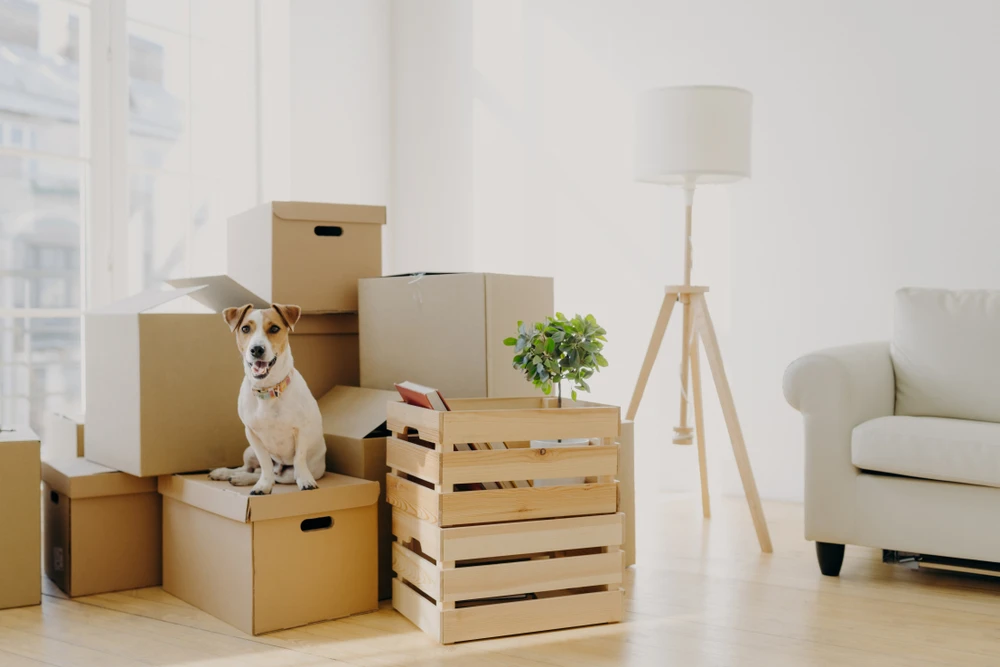

So, you’ve packed up your house, booked your moving date, and have everything in order for moving day. But do you have a moving plan for your pets? For as much as we love our furry and feathered friends, moving with pets can add a bit more stress to the experience. That’s why the team at Andrews Installation Group wanted to share some helpful tips for moving with pets.
Having a plan in place will help reduce some of the stress of moving day. Follow these tips to make your next move as stress-free as possible for you and your pets.
Introduce Changes Slowly
Our pets love routines, so it’s no surprise that the moving process can upset them. It’s best to start introducing your pet to the moving process early on by letting them get used to packing supplies, boxes, and moved furniture. Pack rooms one at a time, if possible, and give them plenty of time to adjust to all of these changes. You can leave out boxes for them to examine and play in so they feel more comfortable with the process. It’s best to start the moving process as early as possible to give your pet plenty of time to adjust.
Be Patient and Understanding
Our pets rely on us to feel safe and loved. When their environment begins to change, they may start to feel stressed. This can cause pets to become shy, skittish, and sometimes even a little bit aggressive. Your pets may also have the occasional accident if they become too stressed. Be patient with your pets, and be sure to give them extra attention.
Set Aside Safe Places for Your Pet
Although moving tends to generate lots of clutter around the house, it’s important to keep a few spaces or rooms clear for your pet. When things get too stressful, your pet will need a quiet, clutter-free space to retreat. When moving day arrives, it’s a good idea to keep your pet in a closed-off room so they don’t get frightened and try to escape.
Stick to Your Normal Routine
Pets love routines. In fact, many causes of pet stress have to do with changing routines. This is why moving can be an overwhelming process for both you and your pets. Before, during, and after the move, try to stick to routines as much as possible.
For example…
Continue feeding your pet at the normal time
Stick to your regular walking/playtime routine
Give your pet some extra love and attention; they need it!
Keep Your Pets Active and Entertained
One of the best ways to help your pet burn off some stress and anxiety is through play! Even though you’ll be busy around moving day, make sure to devote some time to your pet. Take regular walks and do your best to tire your pet out. That way, they will be less inclined to misbehave, allowing you some free time to take care of other tasks.
If you don’t have enough time to walk or play with your pet on a regular basis, consider asking a friend or family member to pitch in. Dog walking services are another great resource to help your pet get the exercise they need. You can also use brain games to keep your furry friends engaged and occupied while you prepare for the move.
Keep Your Pet Away from the Action
Things can get a little hectic on moving day. Before the movers arrive, be sure to secure your pet in a safe place away from all the action. Doing so will keep them safe and prevent them from trying to escape in a panic. Keeping them away from the hustle will also help the movers complete their job more efficiently, saving everyone time and stress. When it comes time to retrieve your pet, be sure to prepare a comfortable kennel or carrier (you may want to put them in this carrier beforehand to make things easier).
Plan a Visit to the Vet
If possible, book a visit to the vet a few weeks before you move. Vets know a lot of great stress reduction methods for pets, and they can also make sure your pet is up-to-date on all vaccinations and medications.
Here are a few things to check with your vet:
Make sure that all your pet’s vaccinations are up to date. You should get an updated rabies certificate if needed.
Be sure to purchase any additional medications or prescriptions for your pet before the move. This will save you from worrying about it later.
Ask your vet about potential stress-reduction tactics or supplements to help ease your pet’s anxiety during the move.
If you are moving away from your area and will need to switch vets, be sure to request a copy of your pet’s medical files and records.
If you haven’t found a pet in your new area, ask your current vet about recommendations.
Plan for Pet-Friendly Accommodations
If you are traveling across the country, chances are you’ll be staying at a few hotels. Plan your route to include pet-friendly hotels, and plan to make plenty of stops along the way so your pet can stretch its legs. Check for any policies about what types of pets are and are not allowed at these hotels. And if in doubt, have a backup plan!
Prepare a Moving Pack for Your Pet
If you are traveling with your pet in a vehicle, you’ll definitely want to have some supplies and toys on hand. Pack a travel bag with your pet’s food, medications, favorite toys, water bowls, and blankets. Be sure to pack extra paper towels, bags, and wipes in the event of an unplanned cleanup.
Pet-Proof Your New Home
If possible, we recommend taking a few steps to pet-proof your new home before you move in. This will help keep your pets safe and comfortable once you arrive at your new home.
Secure all doors, windows, and screens
Inspect your outdoor fences to make sure there are no holes or openings for pets to escape.
Make sure all vents inside your home are covered so that smaller pets do not fall through.
Remove or isolate any outdoor plants that are toxic to animals.
You should also prepare a space in your new home where your pet can de-stress while you move in and unpack. Give them plenty of time to settle into the new location. Cats tend to hide in quiet areas as they get adjusted to the new area. You can walk your dog around the neighborhood to start familiarizing them with the new sights, sounds, and smells.
Tips for Moving with Pets — Andrews Installation Group
Moving with pets doesn’t have to be stressful—as long as you take the necessary steps to prepare for your move. That’s why the team at Andrews Installation Group was happy to put together this short list of tips for moving with pets. Remember to give your pet plenty of time to adjust to all the changes, and above all, be patient. Your pet is just as stressed as you are, so take the time to relax and play with them on a regular basis. A happy pet makes a stress-free move!
FAQs
How early should I start preparing my pet for the move?
As early as you can manage. Let them sniff around boxes and packing supplies while things are still calm, ideally weeks out, not the night before. The goal is for moving day itself to feel less like a shock and more like something they've already half gotten used to.Where should my pet stay during the actual move?
Somewhere closed off and away from the door traffic. A back bedroom or bathroom works fine as long as it's already cleared out and quiet. Keeping them out of the way also just makes life easier for the movers, since nobody's chasing a spooked cat around furniture.Should I take my pet to the vet before moving?
Yes, and try to go a few weeks ahead rather than last minute. Get vaccinations current, stock up on any medications, and if you're leaving the area, ask for copies of their records so a new vet has something to work from.What should I pack specifically for my pet on moving day?
Food, water bowls, medications, and a favorite toy or blanket, kept separate from the general moving boxes so you're not digging through everything to find it. Toss in extra paper towels and wipes too. Something will get knocked over.How do I help my pet settle into the new house?
Give it time and don't force introductions to every room at once. Cats especially tend to hide out somewhere quiet at first, while dogs usually do better with a walk around the new block to get familiar with the smells. Efficient movers help you settle in faster, giving you more time to focus on helping your pets adjust to their new home.
So, you’ve packed up your house, booked your moving date, and have everything in order for moving day. But do you have a moving plan for your pets? For as much as we love our furry and feathered friends, moving with pets can add a bit more stress to the experience. That’s why the team at Andrews Installation Group wanted to share some helpful tips for moving with pets.
Having a plan in place will help reduce some of the stress of moving day. Follow these tips to make your next move as stress-free as possible for you and your pets.
Introduce Changes Slowly
Our pets love routines, so it’s no surprise that the moving process can upset them. It’s best to start introducing your pet to the moving process early on by letting them get used to packing supplies, boxes, and moved furniture. Pack rooms one at a time, if possible, and give them plenty of time to adjust to all of these changes. You can leave out boxes for them to examine and play in so they feel more comfortable with the process. It’s best to start the moving process as early as possible to give your pet plenty of time to adjust.
Be Patient and Understanding
Our pets rely on us to feel safe and loved. When their environment begins to change, they may start to feel stressed. This can cause pets to become shy, skittish, and sometimes even a little bit aggressive. Your pets may also have the occasional accident if they become too stressed. Be patient with your pets, and be sure to give them extra attention.
Set Aside Safe Places for Your Pet
Although moving tends to generate lots of clutter around the house, it’s important to keep a few spaces or rooms clear for your pet. When things get too stressful, your pet will need a quiet, clutter-free space to retreat. When moving day arrives, it’s a good idea to keep your pet in a closed-off room so they don’t get frightened and try to escape.
Stick to Your Normal Routine
Pets love routines. In fact, many causes of pet stress have to do with changing routines. This is why moving can be an overwhelming process for both you and your pets. Before, during, and after the move, try to stick to routines as much as possible.
For example…
Continue feeding your pet at the normal time
Stick to your regular walking/playtime routine
Give your pet some extra love and attention; they need it!
Keep Your Pets Active and Entertained
One of the best ways to help your pet burn off some stress and anxiety is through play! Even though you’ll be busy around moving day, make sure to devote some time to your pet. Take regular walks and do your best to tire your pet out. That way, they will be less inclined to misbehave, allowing you some free time to take care of other tasks.
If you don’t have enough time to walk or play with your pet on a regular basis, consider asking a friend or family member to pitch in. Dog walking services are another great resource to help your pet get the exercise they need. You can also use brain games to keep your furry friends engaged and occupied while you prepare for the move.
Keep Your Pet Away from the Action
Things can get a little hectic on moving day. Before the movers arrive, be sure to secure your pet in a safe place away from all the action. Doing so will keep them safe and prevent them from trying to escape in a panic. Keeping them away from the hustle will also help the movers complete their job more efficiently, saving everyone time and stress. When it comes time to retrieve your pet, be sure to prepare a comfortable kennel or carrier (you may want to put them in this carrier beforehand to make things easier).
Plan a Visit to the Vet
If possible, book a visit to the vet a few weeks before you move. Vets know a lot of great stress reduction methods for pets, and they can also make sure your pet is up-to-date on all vaccinations and medications.
Here are a few things to check with your vet:
Make sure that all your pet’s vaccinations are up to date. You should get an updated rabies certificate if needed.
Be sure to purchase any additional medications or prescriptions for your pet before the move. This will save you from worrying about it later.
Ask your vet about potential stress-reduction tactics or supplements to help ease your pet’s anxiety during the move.
If you are moving away from your area and will need to switch vets, be sure to request a copy of your pet’s medical files and records.
If you haven’t found a pet in your new area, ask your current vet about recommendations.
Plan for Pet-Friendly Accommodations
If you are traveling across the country, chances are you’ll be staying at a few hotels. Plan your route to include pet-friendly hotels, and plan to make plenty of stops along the way so your pet can stretch its legs. Check for any policies about what types of pets are and are not allowed at these hotels. And if in doubt, have a backup plan!
Prepare a Moving Pack for Your Pet
If you are traveling with your pet in a vehicle, you’ll definitely want to have some supplies and toys on hand. Pack a travel bag with your pet’s food, medications, favorite toys, water bowls, and blankets. Be sure to pack extra paper towels, bags, and wipes in the event of an unplanned cleanup.
Pet-Proof Your New Home
If possible, we recommend taking a few steps to pet-proof your new home before you move in. This will help keep your pets safe and comfortable once you arrive at your new home.
Secure all doors, windows, and screens
Inspect your outdoor fences to make sure there are no holes or openings for pets to escape.
Make sure all vents inside your home are covered so that smaller pets do not fall through.
Remove or isolate any outdoor plants that are toxic to animals.
You should also prepare a space in your new home where your pet can de-stress while you move in and unpack. Give them plenty of time to settle into the new location. Cats tend to hide in quiet areas as they get adjusted to the new area. You can walk your dog around the neighborhood to start familiarizing them with the new sights, sounds, and smells.
Tips for Moving with Pets — Andrews Installation Group
Moving with pets doesn’t have to be stressful—as long as you take the necessary steps to prepare for your move. That’s why the team at Andrews Installation Group was happy to put together this short list of tips for moving with pets. Remember to give your pet plenty of time to adjust to all the changes, and above all, be patient. Your pet is just as stressed as you are, so take the time to relax and play with them on a regular basis. A happy pet makes a stress-free move!
FAQs
How early should I start preparing my pet for the move?
As early as you can manage. Let them sniff around boxes and packing supplies while things are still calm, ideally weeks out, not the night before. The goal is for moving day itself to feel less like a shock and more like something they've already half gotten used to.Where should my pet stay during the actual move?
Somewhere closed off and away from the door traffic. A back bedroom or bathroom works fine as long as it's already cleared out and quiet. Keeping them out of the way also just makes life easier for the movers, since nobody's chasing a spooked cat around furniture.Should I take my pet to the vet before moving?
Yes, and try to go a few weeks ahead rather than last minute. Get vaccinations current, stock up on any medications, and if you're leaving the area, ask for copies of their records so a new vet has something to work from.What should I pack specifically for my pet on moving day?
Food, water bowls, medications, and a favorite toy or blanket, kept separate from the general moving boxes so you're not digging through everything to find it. Toss in extra paper towels and wipes too. Something will get knocked over.How do I help my pet settle into the new house?
Give it time and don't force introductions to every room at once. Cats especially tend to hide out somewhere quiet at first, while dogs usually do better with a walk around the new block to get familiar with the smells. Efficient movers help you settle in faster, giving you more time to focus on helping your pets adjust to their new home.
Latest Blogs

How Much Does Commercial Furniture Installation Cost in Phoenix?

What Are Storage and Warehousing Services, and How Do They Work?

Military Furniture Installation & Relocation: What You Need to Know
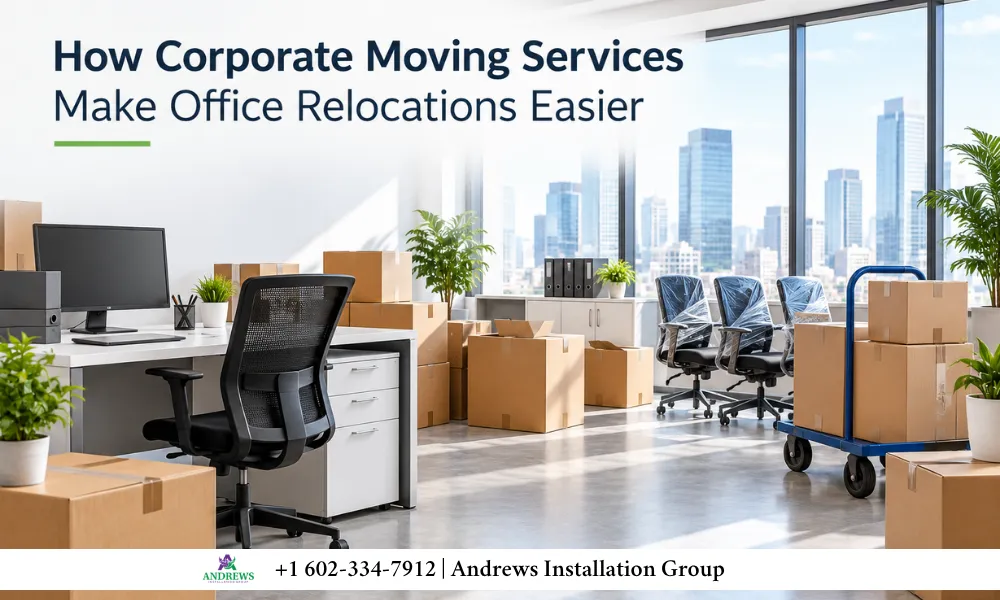
How Corporate Moving Services Make Office Relocations Easier

Hotel FF&E Hospitality Solutions: From Delivery to Final Placement

Planning an FF&E Installation Project in Phoenix: What to Know Before You Start

Let Andrews Installation Group Manage & Simplify Your furniture Installation
Connect with our expert team today for efficient installation and moving services designed around your needs.
Contact Us!

Let Andrews Installation Group Manage Your furniture Installation
Connect with our expert team today for efficient installation and moving services designed around your needs.
Contact Us!
Let Andrews Installation Group Manage & Simplify Your furniture Installation
Connect with our expert team today for efficient installation and moving services designed around your needs.
Contact Us!
Let Andrews Installation Group Manage Your furniture Installation
Connect with our team today for efficient installation and moving services designed around your needs.
Contact Us!
Related Blog Posts
Related Blog Posts
Oct 20, 2026
What Are Storage and Warehousing Services, and How Do They Work?
Storage and warehousing services give project teams a place to receive and hold those items until they’re needed.
Oct 20, 2026
What Are Storage and Warehousing Services, and How Do They Work?
Storage and warehousing services give project teams a place to receive and hold those items until they’re needed.
Oct 17, 2026
Military Furniture Installation & Relocation: What You Need to Know
Oct 17, 2026
Military Furniture Installation & Relocation: What You Need to Know
Oct 14, 2026
How Corporate Moving Services Make Office Relocations Easier
An office relocation involves a lot more than loading desks onto a truck. Furniture has to be inventoried, moved safely, and placed where employees can actually use it on day one.
Oct 14, 2026
How Corporate Moving Services Make Office Relocations Easier
An office relocation involves a lot more than loading desks onto a truck. Furniture has to be inventoried, moved safely, and placed where employees can actually use it on day one.